
Recently, I attended a workshop run by Red Dust focused on First Nations reconciliation. Founded 20 years ago, Red Dust works in partnership with remote Indigenous communities to enrich lives and strengthen the future of youth and families by delivering health, well-being and reconciliation programs.
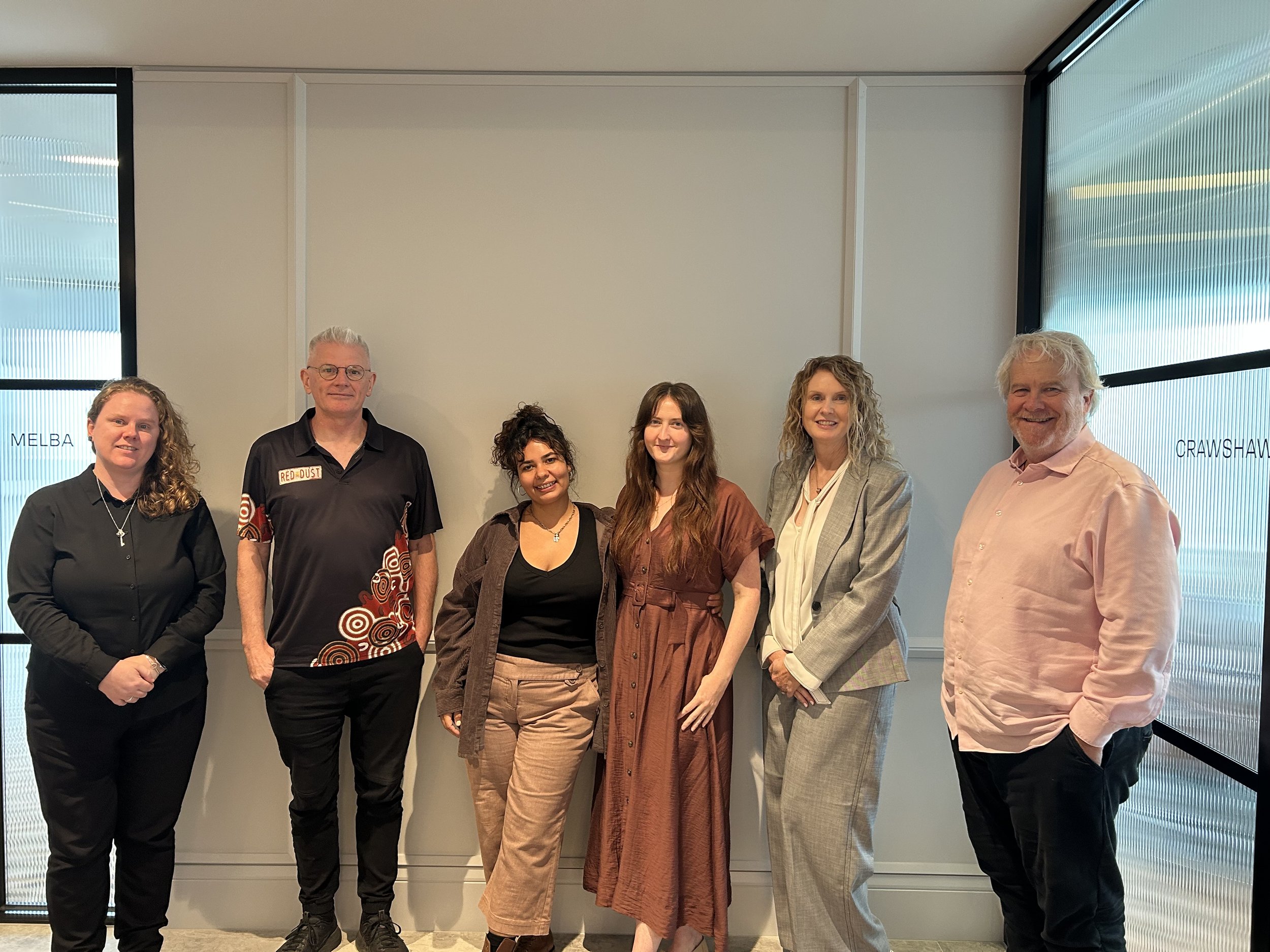
(L - R) Lauren from Gembridge, Matthew and Mikaela from Red Dust, and other workshop participants
(Image supplied by Red Dust)
From the outset, the workshop felt different. It wasn’t simply a presentation designed to deliver all the answers or neat takeaways. Instead, it was conversational. Participants were invited to share their thoughts, ask questions, sit with discomfort and learn alongside each other.
We spent time hearing about the powerful work Red Dust does with communities, grounded in long-term relationships, trust, and collaboration. We also explored aspects of Australia’s history, including the impacts of colonisation and the racist tropes that have shaped, and continue to shape, systems and narratives today.
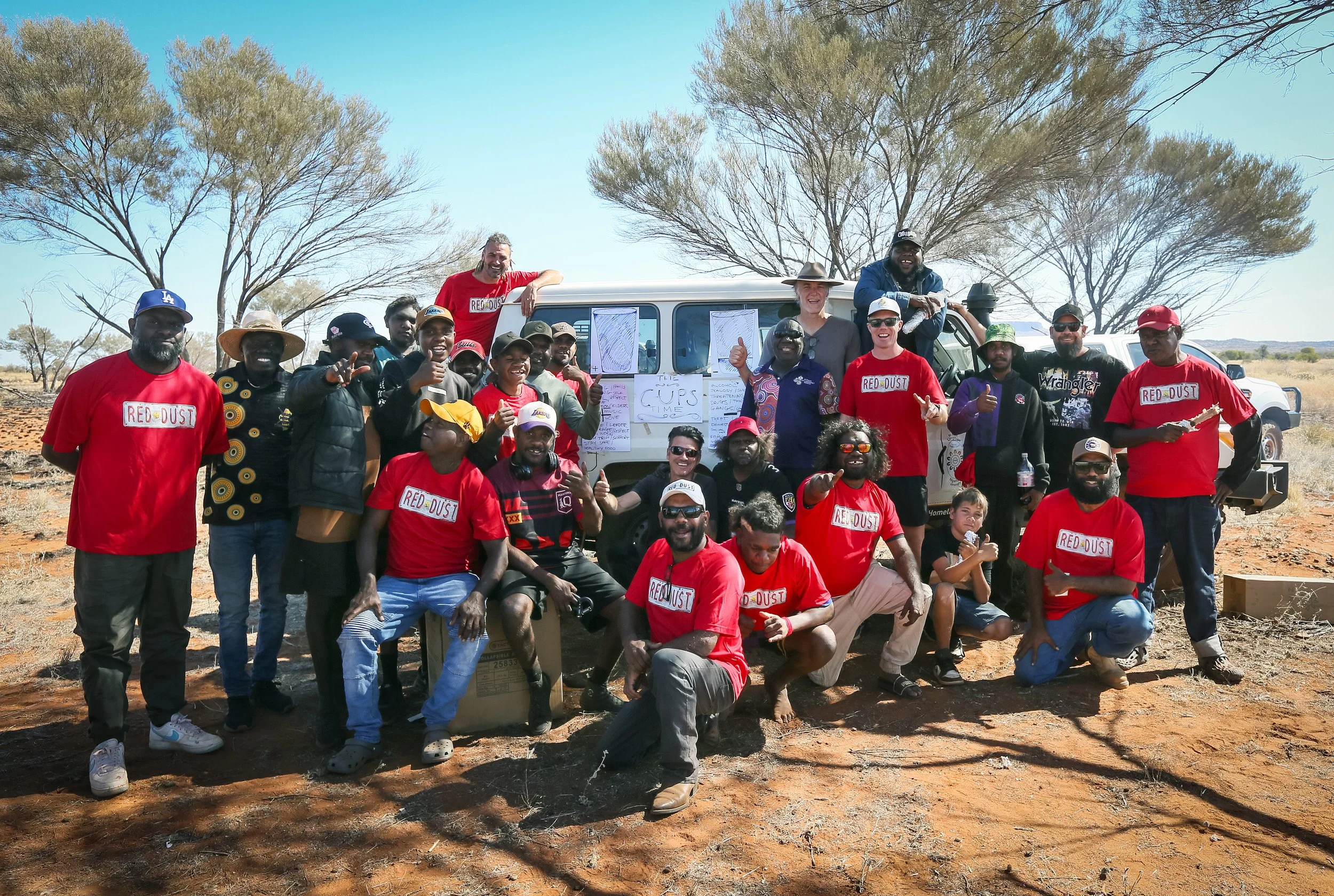
(Image supplied by Red Dust)
One moment that resonated was when the facilitators Mikaela and Matthew, invited everyone to share who their mob is, where their community comes from, and their cultural heritage. This exercise was a powerful reminder of how layered and complex people are and how easily identity can be generalised or simplified. This workshop challenged that instinct. Just as there is not one non-Indigenous perspective, there is not one Aboriginal perspective either. Complexity and diversity is not something to be managed or smoothed over; it is something to be respected and embraced.
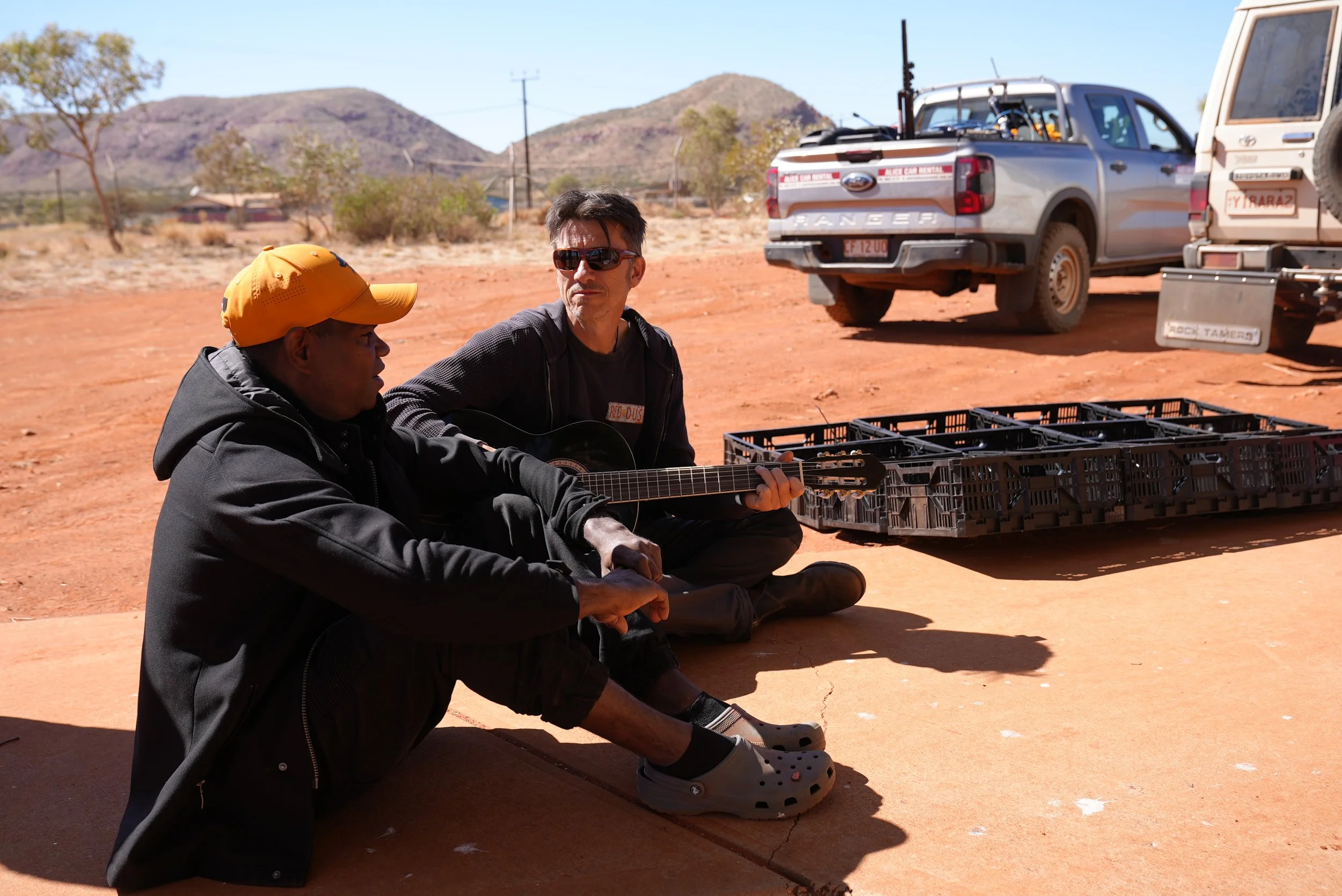
(Image supplied by Red Dust)
We explored ideas about cultural awareness, what (re)conciliation involves; and what it means to be an ally. That reconciliation itself is not an endpoint or a checkbox, but rather a commitment to an ongoing practice. A consistent thread through our discussion was the importance of working with First Nations peoples, rather than doing things to or for them, approaches that have caused, and continue to cause deep harm. That when we engage with opportunities to learn, we do so from diverse Indigenous voices and perspectives, we practice humility; and bring a sense of curiosity and openness. And that it’s through these actions that we understand that healing and reconciliation begins with self.
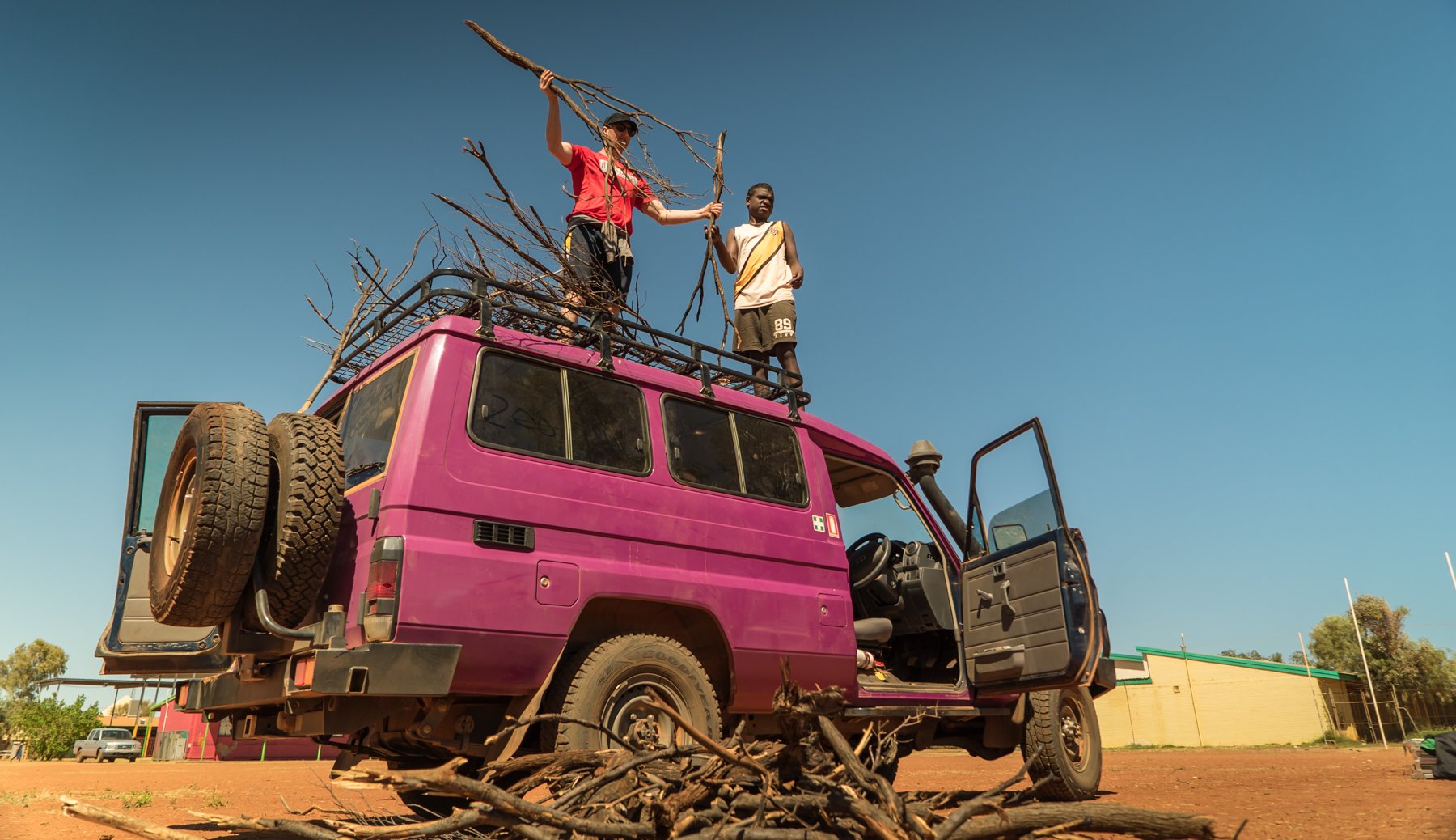
(Image supplied by Red Dust)
Working in for-purpose recruitment, these reflections feel especially relevant. Our work sits at the intersection of opportunity, access, and power which brings with it an ongoing responsibility to be conscious of bias and to actively reflect on how our processes can support candidates and the organisations we partner with, to centre fairness and inclusion.
I’m grateful for the space Red Dust created – for the conversations, the listening and the opportunity to reflect. It’s a reminder that learning doesn’t always come from having all of the answers, but from continually showing up, even when it’s complex.